Property factoring in Scotland does not always enjoy a strong reputation. Many homeowners and landlords feel frustrated by slow communication, unclear costs or reactive repairs. As a result, trust can quickly erode.
However, factoring itself is not the issue. Poor systems and weak communication create most of the problems. A good Scottish property factor should bring structure, clarity and consistency to shared buildings. More importantly, they should make management feel straightforward rather than complicated.
Why Factoring Sometimes Falls Short
When factoring works well, most people barely notice it. However, when communication breaks down or maintenance lacks planning, issues surface quickly.
For example, residents often raise concerns about::
- delays in arranging repairs
- limited updates about ongoing work
- unclear explanations of charges
- a lack of visible inspections
These frustrations usually stem from reactive management. If a factor only responds when something goes wrong, problems build quietly in the background. Over time, that approach leads to higher costs and growing dissatisfaction.
What a Good Scottish Property Factor Actually Does
In contrast, a good Scottish property factor takes a proactive approach. Rather than waiting for complaints, they carry out regular inspections and identify issues early.
In practical terms, this means they:
- schedule consistent property checks
- spot maintenance concerns before they escalate
- appoint reliable contractors promptly
- communicate clearly about works and costs
- keep accurate and accessible records
None of these steps require complexity. Instead, they require organisation and consistency. When a factor follows clear processes, buildings remain in better condition.
Prevention Matters More Than Reaction
Shared buildings rely on coordinated oversight. Roofs, drainage systems and external walls all need monitoring. If no one takes responsibility, small issues develop into expensive repairs.
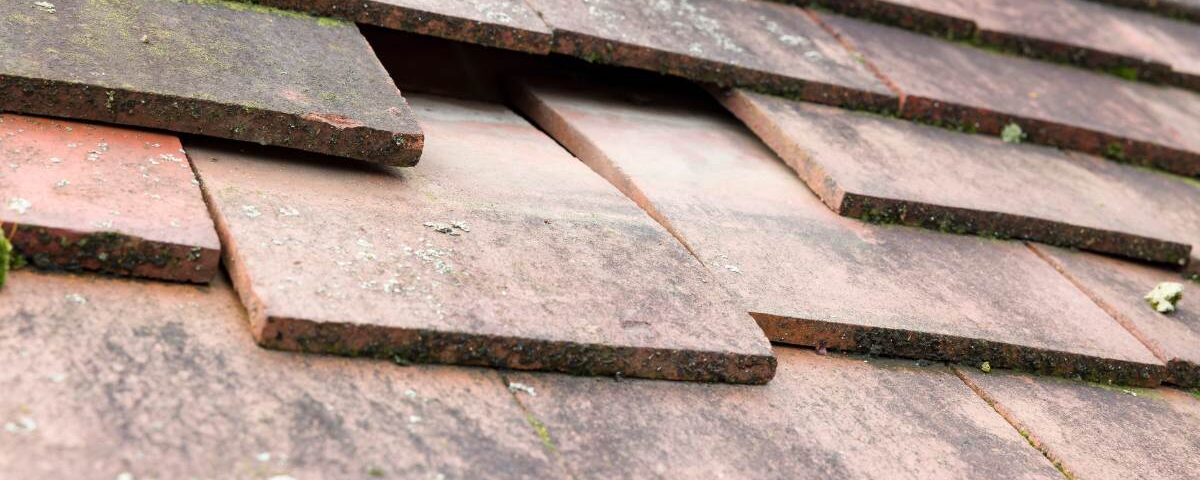
For instance, blocked gutters may appear minor at first. However, if water overflows repeatedly, damp can spread and damage internal finishes. Similarly, loose roof tiles can allow water ingress long before residents notice visible signs.
By contrast, a good Scottish property factor identifies these risks early and arranges repairs before they escalate. Consequently, owners face fewer surprises and avoid unnecessary expense.
What This Means for Homeowners and Landlords
For homeowners, proactive factoring provides reassurance. You know someone is checking the condition of the building and coordinating maintenance properly. As a result, shared responsibilities feel manageable rather than stressful.
Likewise, landlords benefit from structured oversight. Well-maintained communal areas support tenant satisfaction and protect long-term property value. In addition, early intervention reduces the likelihood of emergency call outs.
Clear communication underpins all of this. When residents understand what work is required and why, confidence improves.
A No Nonsense Approach to Property Factoring
Ultimately, a good Scottish property factor focuses on practical action. They avoid unnecessary jargon and instead prioritise transparency and steady decision making.
Factoring should not feel confusing. Instead, it should feel organised and dependable. When management remains consistent, buildings stay in better condition and relationships between owners remain constructive.
If you would like to understand how a proactive and straightforward approach could improve your building, we are here to help.