Scotland’s climate places steady pressure on homes and shared buildings. Rain, wind and temperature shifts affect roofing, stonework and drainage throughout the year. As a result, regular property maintenance in Scotland is not optional. It is essential.
For homeowners and landlords alike, consistent maintenance protects safety, controls long-term costs and supports property value. Whether you live in a detached home or a traditional tenement, a structured approach makes a clear difference.
Why Scotland’s Climate Demands Consistency
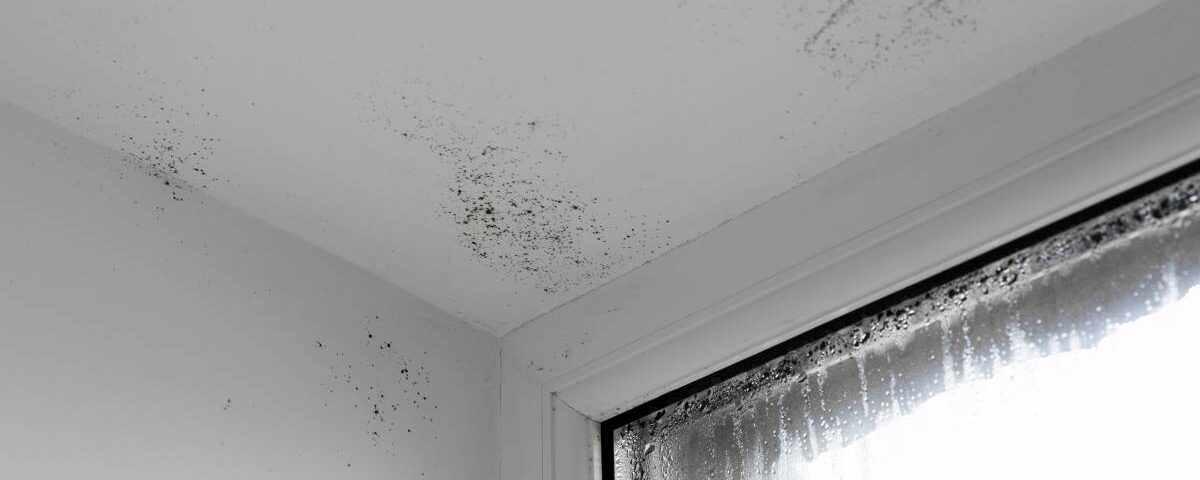
Frequent rainfall increases the risk of damp and water ingress. Meanwhile, colder weather can expose weaknesses in roofing, pointing and external finishes. Over time, even small defects can develop into more serious issues.
Because many Scottish buildings are older, regular inspections become even more important. Traditional materials such as sandstone and slate require care and monitoring. Without attention, wear accelerates and repair costs rise.
The Risks of Reactive Maintenance
Many property issues begin quietly. A blocked gutter or loose tile may not seem urgent at first. However, if no one addresses it, moisture can spread and structural damage may follow.
Reactive maintenance often costs more because repairs take place after problems escalate. In shared buildings, delays can also lead to disagreement between owners. Therefore, early intervention reduces both expense and frustration.
What Regular Property Maintenance Should Include
Regular property maintenance in Scotland does not need to be complicated. Instead, it should follow a structured routine.
This typically involves:
- inspecting roofing, gutters and external walls
- checking drainage systems and downpipes
- monitoring communal stairwells and entrances
- identifying early signs of damp or wear
By carrying out these checks consistently, owners reduce the likelihood of emergency repairs.
How Maintenance Differs in Shared Buildings
In flats and tenements, responsibility does not sit with one person. Roofs, external walls and shared areas fall under joint ownership. Because of this, coordination becomes essential.
Without clear management, maintenance may be delayed while owners try to agree on next steps. Consequently, minor issues can remain unresolved for too long. Regular property maintenance in Scotland works best when someone oversees inspections and organises repairs in a timely manner.
The Role of Structured Management
A structured approach brings clarity. In shared buildings, a property factor often coordinates inspections, arranges contractors and communicates with owners. This organisation helps ensure maintenance does not rely on informal arrangements or last-minute decisions.
For landlords, structured maintenance also protects tenant experience and reduces disruption. Meanwhile, homeowners gain confidence that shared responsibilities are handled consistently.
A Practical Way Forward
Regular property maintenance in Scotland protects both individual homes and shared buildings. By acting early and maintaining a consistent routine, owners reduce risk and preserve long-term value.
If you would like guidance on maintaining your building or understanding how shared maintenance is organised, we are here to help.
You can get in touch at www.homesbook.co.uk/contact for friendly and practical advice.