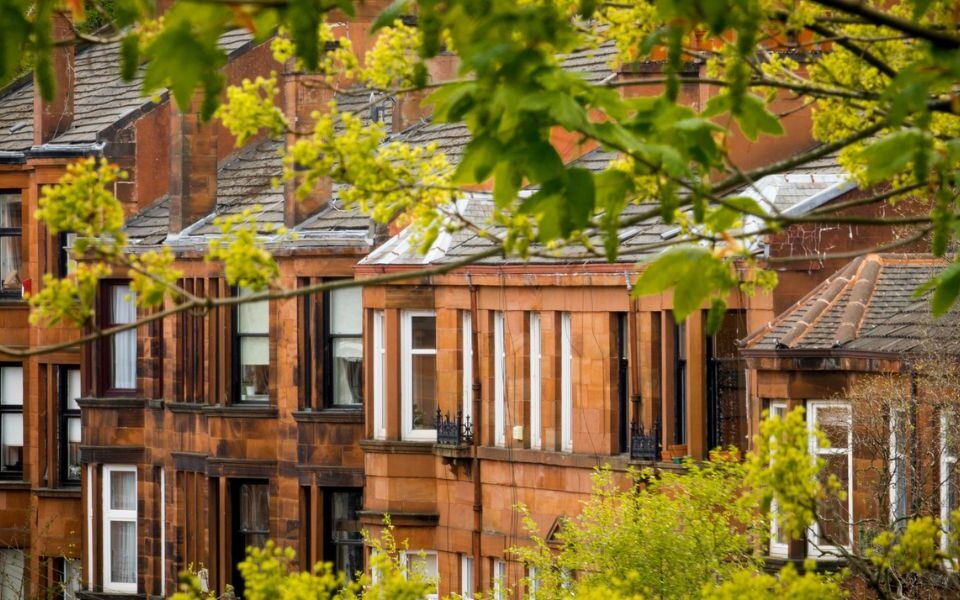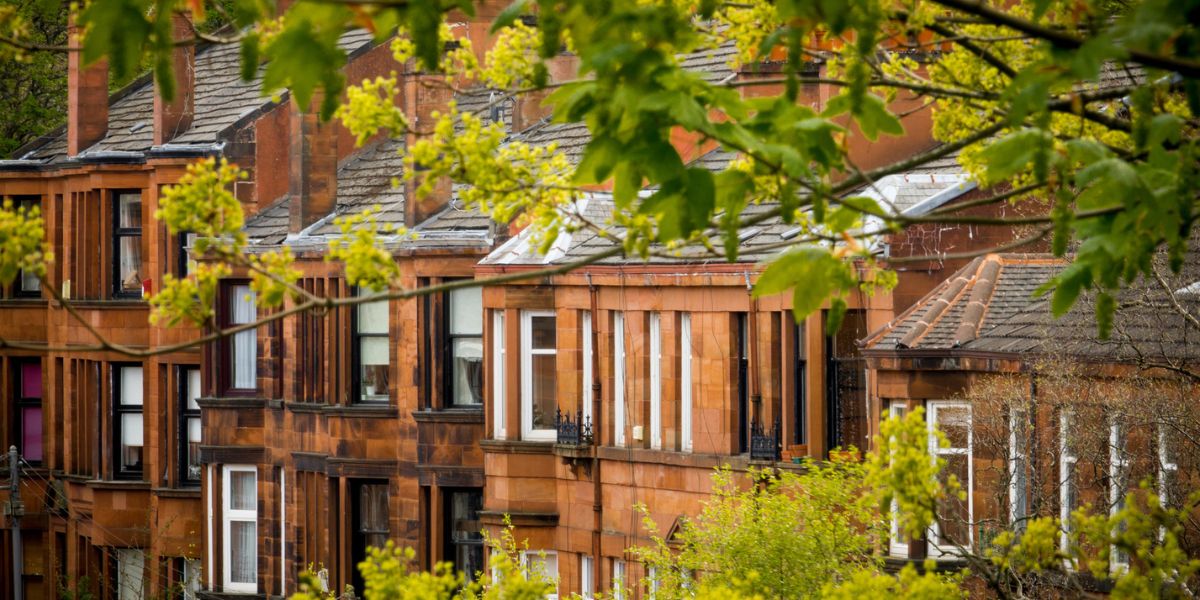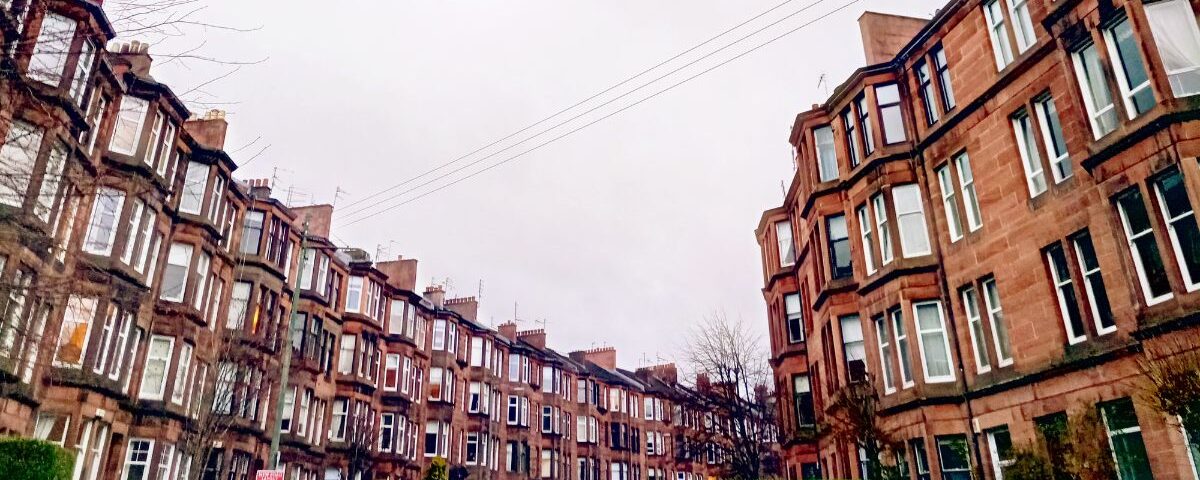
Tenement buildings shape much of Glasgow, Edinburgh and the wider Central Belt. Their sandstone fronts and shared stairwells give character to entire streets. However, because many were built more than a century ago, they require consistent care.
Certain issues appear repeatedly across traditional buildings. Understanding the most common repairs in Scottish tenements helps homeowners and landlords act early. More importantly, it shows how structured management can prevent small concerns from becoming expensive problems.
1. Roof and Gutter Repairs
Roofing issues sit at the top of the list of common repairs in Scottish tenements. Slate tiles can shift during high winds. Meanwhile, gutters often block with debris.
If water cannot drain properly, it overflows and runs down masonry. Over time, this can lead to damp penetration and internal damage. Regular roof inspections and routine gutter clearing reduce this risk significantly.
In shared buildings, coordination matters. When someone oversees inspections and arranges maintenance promptly, emergency repairs become far less likely.
2. Stonework and Pointing Deterioration
Scottish tenements rely heavily on sandstone and traditional mortar. While these materials last well, exposure to weather gradually weakens them.
Mortar joints can crack and allow moisture into the structure. As a result, stone faces may begin to deteriorate. Early inspection and repointing prevent larger sections of masonry from requiring replacement.
Planned maintenance avoids reactive stonework repairs, which often prove far more disruptive and expensive.
3. Damp in Communal Areas
Damp in shared stairwells and close walls remains one of the most reported issues in older buildings. However, the source often links back to something external, such as blocked gutters or failing pointing.
Because damp develops slowly, residents may ignore early warning signs. Yet once staining or mould appears, repair costs rise and living conditions decline.
Proactive monitoring of communal areas allows early identification of moisture issues before they spread.
4. Stairwell Wear and Safety Concerns
Heavy daily use places pressure on shared stairwells. Loose bannisters, worn treads and inadequate lighting create safety concerns over time.
Although these issues may seem minor, they affect both appearance and resident confidence. Addressing them early improves safety and maintains standards within the building.
Regular checks of communal areas reduce the likelihood of avoidable incidents.
5. Drainage and Downpipe Problems
Drainage systems play a critical role in protecting traditional buildings. When downpipes crack or become blocked, water can soak surrounding stonework.
This often leads to internal damp or staining on external walls. Routine inspection and maintenance of drainage components prevent long term damage and preserve the integrity of the structure.
Why Prevention and Coordination Matter
Most common repairs in Scottish tenements follow a predictable pattern. Small maintenance issues remain unresolved. Weather exposure increases damage. Costs then escalate.
In shared buildings, delays often occur because responsibility sits with multiple owners. Without structure, repairs wait while decisions are discussed.
A coordinated approach changes that dynamic. Regular inspections, clear communication and timely action prevent minor defects from turning into major repair projects.
Protecting Traditional Buildings
Tenements form an important part of Scotland’s housing stock and heritage. Maintaining them properly protects both property value and community standards.
If you would like guidance on maintaining your building or understanding how shared responsibilities are managed, we are here to help.