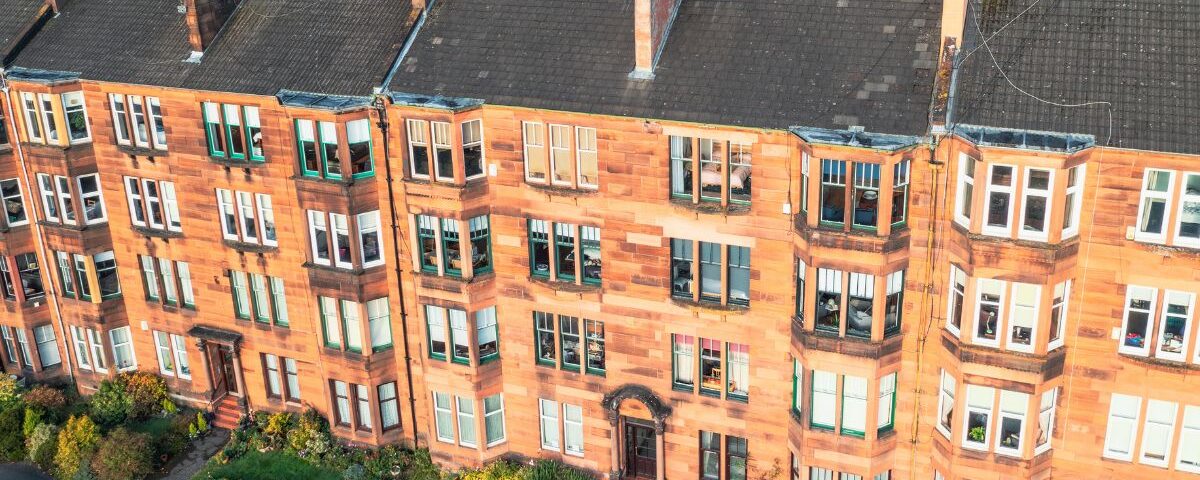
Property inspections in Scotland play a key role in preventing avoidable damage and rising repair costs. However, they are often overlooked until a problem becomes obvious.
In many cases, issues develop gradually. A small leak, blocked gutter or early signs of damp may not seem urgent at first. Yet without regular checks, these problems can escalate quickly and lead to far more expensive repairs.
For homeowners and landlords, especially in shared buildings, regular inspections provide a simple way to stay in control.
Why Small Issues Often Go Unnoticed
Most property problems do not appear overnight. Instead, they build slowly and often out of sight.
For example, water may enter through a loose roof tile. Over time, this can affect insulation, ceilings and internal walls. Because the damage develops gradually, it may not be noticed until the repair becomes disruptive.
Similarly, blocked gutters or minor cracks in external walls can go unchecked for months. As a result, what could have been a straightforward fix turns into a larger project.
Regular inspections help identify these issues early, before they escalate.
The Real Cost of Delayed Maintenance
Delaying maintenance rarely saves money. In fact, it usually leads to higher costs.
When issues are left unresolved:
- damage spreads to other parts of the building
- repairs become more complex
- disruption increases for residents
- insurance claims may become more likely
As problems grow, so does the cost of putting them right. Early action, by contrast, keeps repairs manageable and reduces long term expense.
Why Property Inspections Matter in Shared Buildings
In flats and tenements, responsibility extends beyond individual properties. Roofs, drainage systems and external walls are often shared.
This creates additional risk. If one issue is ignored, it can affect multiple homes.
For instance, a roof problem above one flat may eventually impact several properties below. Likewise, poor drainage can lead to damp spreading through shared walls.
Because of this, property inspections in Scotland are particularly important in shared buildings. They help ensure that issues are identified and addressed before they affect others.
What Should Be Checked Regularly
Regular inspections do not need to be complicated. However, they should be consistent and focused on key areas.
Typical checks include:
- roofs and gutters for blockages or damage
- external walls for cracks or signs of water ingress
- communal areas for wear and safety concerns
- internal signs of damp or leaks
By reviewing these areas regularly, owners can spot early warning signs and act quickly.
The Role of a Property Factor
In shared buildings, coordination can be challenging. Without a clear process, inspections may not happen regularly and issues can be missed.
A property factor helps bring structure to this process. They arrange inspections, identify maintenance needs and coordinate repairs across the building.
This ensures:
- issues are picked up early
- work is organised efficiently
- responsibilities are managed fairly
As a result, buildings are better maintained and unexpected costs are reduced.
A Practical Approach to Preventing Costly Repairs
Property inspections in Scotland offer a simple but effective way to protect both property condition and long term value.
By checking regularly, addressing issues early and working with a structured management approach, homeowners and landlords can avoid many of the problems that lead to costly repairs.
In shared buildings, this becomes even more important. Clear communication and proactive maintenance help prevent small issues from becoming larger concerns.
If you would like support with managing inspections or maintaining a shared building, we are here to help.