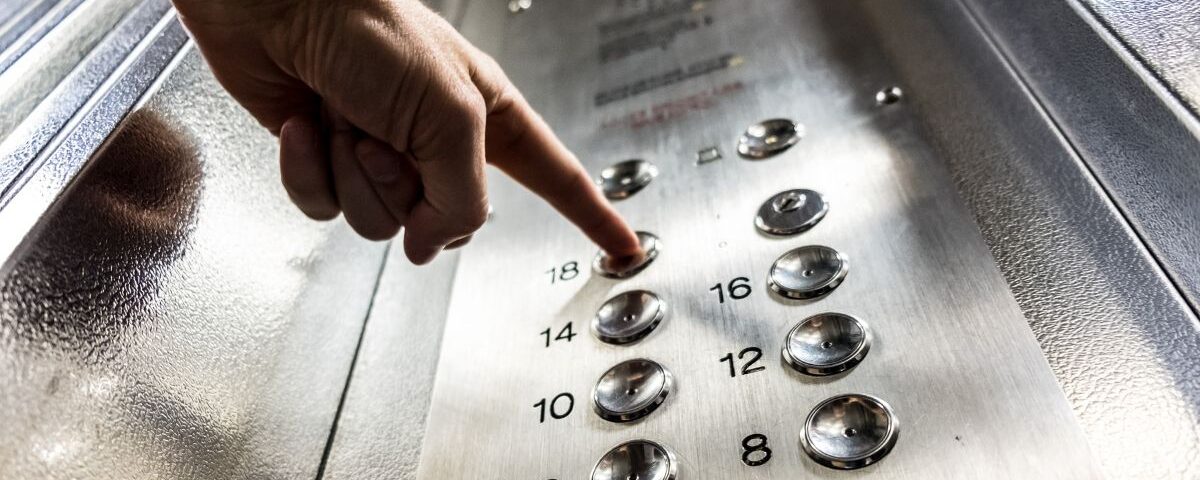
Lifts are essential in many multi-storey buildings across Scotland. In cities such as Glasgow and Edinburgh, thousands of residents rely on them every day. However, when problems arise, confusion often follows. Who pays? Who arranges servicing? How are decisions made?
Understanding lift maintenance responsibilities Scotland helps avoid disputes and ensures buildings remain safe and accessible. While the answer depends on individual title deeds, the overall structure tends to follow a clear pattern.
Who Is Legally Responsible for Lift Maintenance?
In most Scottish flats, lifts form part of the common property. That means responsibility usually sits collectively with the owners in the building. The Deed of Conditions or title deeds typically outline how costs are shared.
Although arrangements vary, lift maintenance responsibilities Scotland generally fall under communal obligations. Each owner contributes according to the allocation set out in the deeds. Because lifts serve multiple properties, they rarely fall under the responsibility of a single flat owner.
For this reason, coordination becomes essential.
What Safety and Inspection Requirements Apply?
Passenger lifts in Scotland must meet specific safety standards. In particular, they require regular servicing and formal inspections under the Lifting Operations and Lifting Equipment Regulations, commonly known as LOLER.
Most passenger lifts require a thorough examination every six months by a competent person. In addition, routine servicing helps identify wear before it leads to breakdown.
These inspections are not optional. They protect residents, reduce risk and ensure the building meets safety expectations.
The Role of a Property Factor
Although owners share responsibility, a property factor often coordinates the practical side of lift maintenance responsibilities Scotland.
A structured factor will:
- arrange regular servicing with qualified contractors
- schedule statutory inspections
- review reports and act on recommendations
- communicate clearly with owners
- manage payment structures in line with title deeds
Importantly, the factor does not own the lift. Instead, they organise maintenance on behalf of the owners. This coordination reduces confusion and ensures compliance remains consistent.
What Happens When Maintenance Is Delayed?
When lift servicing falls behind, risk increases. Minor mechanical issues can escalate quickly. Breakdowns then become more frequent and repair costs rise.
Beyond cost, there is a human impact. Residents may struggle with shopping, prams or mobility concerns. In some cases, prolonged outages can leave vulnerable residents effectively confined to their homes.
Therefore, proactive management protects both safety and quality of life.
What Owners and Landlords Should Check
To ensure lift maintenance responsibilities Scotland are being handled properly, owners and landlords should understand:
- how often servicing takes place
- when the last LOLER inspection occurred
- how quickly breakdowns are addressed
- how costs are allocated under the title deeds
Clarity around these points prevents misunderstanding and builds confidence in the building’s management.
A Structured Approach Makes the Difference
Lift maintenance in Scottish flats relies on shared responsibility and consistent organisation. When inspections take place on schedule and communication remains clear, lifts operate reliably and residents feel reassured.
If you would like guidance on how lift maintenance is coordinated in your building or want to understand your shared responsibilities more clearly, we are here to help.