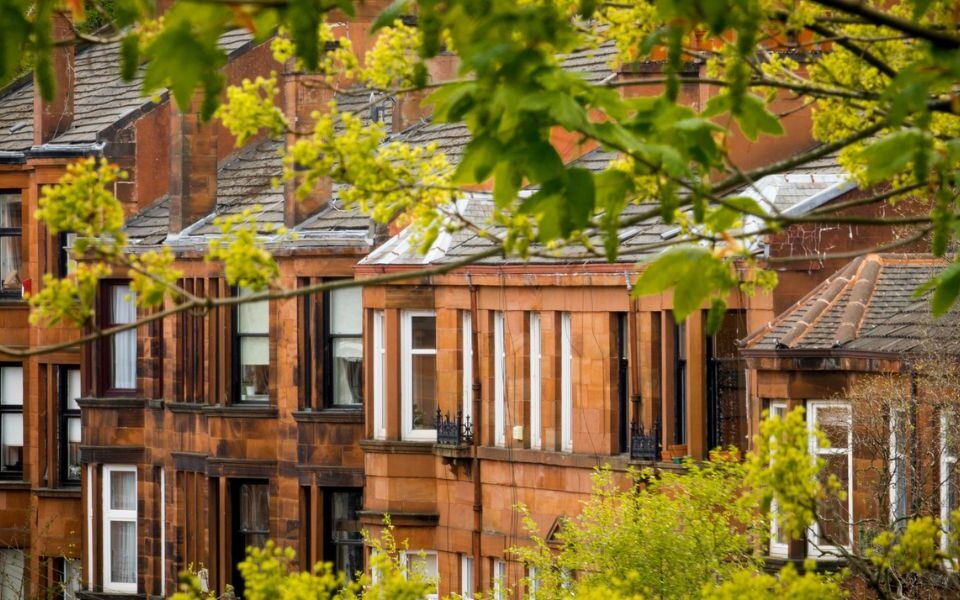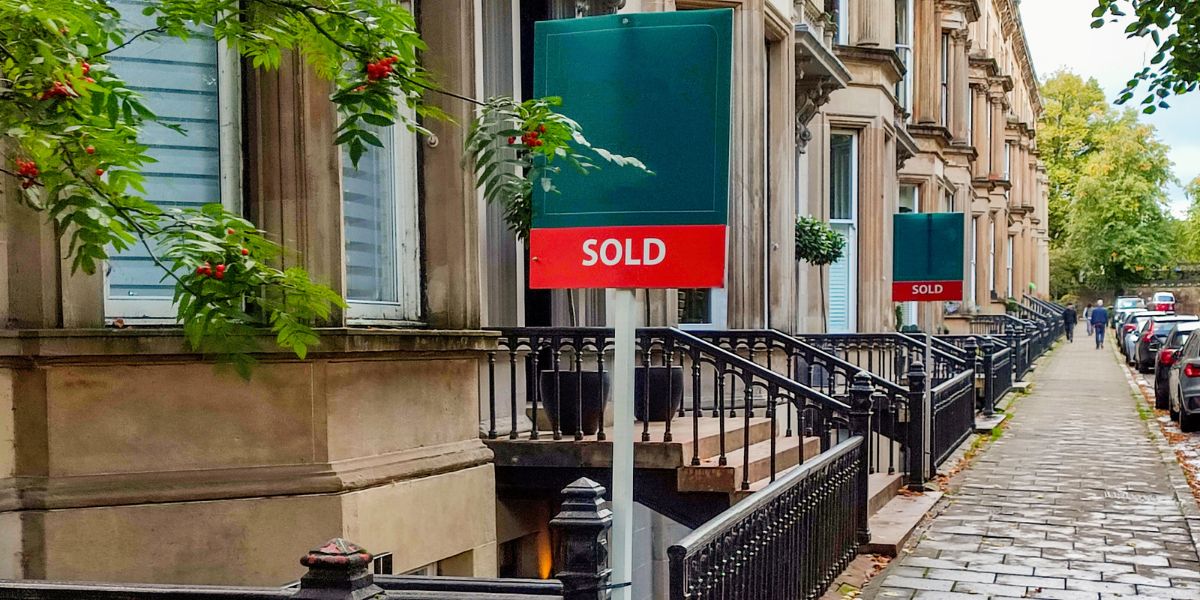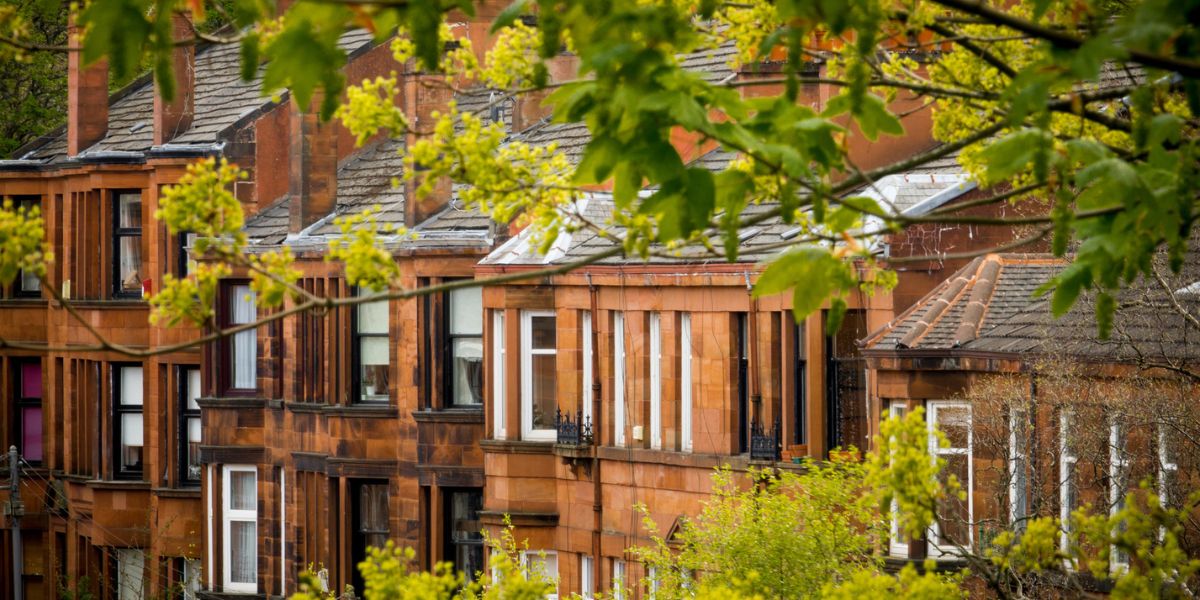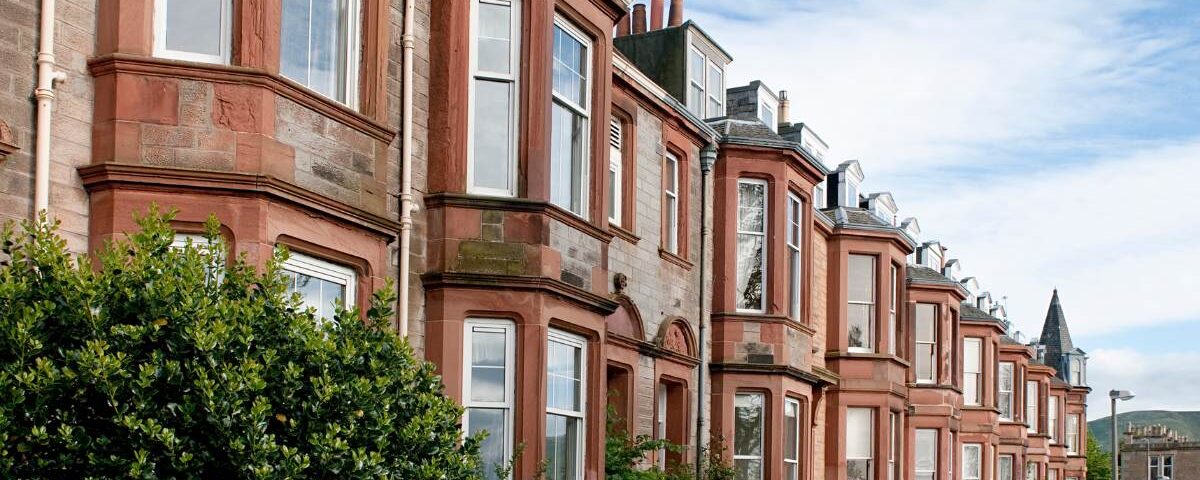
Tenement buildings are part of the identity of Glasgow, Edinburgh and much of the Central Belt. Their sandstone facades, shared stairwells and traditional detailing give character to entire neighbourhoods. However, these buildings also require structured and consistent care.
Communal maintenance in tenements is not just about appearance. It protects safety, preserves property value and prevents small issues from turning into major repairs. For homeowners and landlords alike, understanding how communal areas are managed is essential.
Why Tenements Have Specific Maintenance Needs
Most Scottish tenements were built over a century ago. Although they were constructed to last, age and weather take their toll. Stonework, roofing, drainage systems and shared stairwells all require ongoing attention.
In addition, multiple owners share responsibility for these elements. This shared structure means maintenance only works well when it is organised and coordinated. Without clear oversight, minor problems can remain unresolved for too long.
Common Communal Issues in Glasgow and Edinburgh Tenements
Communal maintenance in tenements often centres on predictable pressure points.
These frequently include:
- worn stair treads or loose bannisters
- damp in close walls or ceilings
- blocked gutters leading to stone staining
- deteriorating pointing in external stonework
- poor lighting in shared stairwells
At first, these issues may seem cosmetic. However, over time they can affect safety, structural integrity and resident confidence in the building.
Why Early Action Makes a Difference
Because tenements rely on shared decision making, delays can quickly increase costs. For example, a blocked gutter may cause water to overflow repeatedly. As a result, moisture can penetrate masonry and internal finishes.
Similarly, loose stonework or damaged pointing may appear minor. However, if left untreated, weather exposure can worsen the condition significantly.
Planned communal maintenance in tenements reduces this risk. By identifying issues early, owners avoid larger repair bills and prolonged disruption.
The Role of a Property Factor in Tenement Buildings
Tenements require coordination. A property factor helps organise inspections, arrange contractors and communicate clearly with all owners. This structure prevents confusion and ensures work progresses without unnecessary delay.
A proactive approach focuses on prevention rather than reaction. Regular checks of roofing, drainage and communal areas allow potential problems to be identified before they escalate. In turn, this protects both the condition of the building and relationships between neighbours.
Clear communication also plays a vital role. When residents understand what work is required and why, decisions become easier and trust improves.
What Residents Can Do
Although structured management supports communal maintenance in tenements, residents also contribute to the condition of the building.
Homeowners and landlords can:
- report maintenance concerns promptly
- avoid storing items in shared stairwells
- understand the responsibilities outlined in title deeds
- engage constructively in shared decisions
When everyone takes responsibility for shared spaces, tenements remain safer and better maintained.
Protecting Scotland’s Tenement Heritage
Tenements are more than residential buildings. They form a key part of Scotland’s architectural heritage and community life. Maintaining communal areas properly protects that legacy for future generations.
If you would like guidance on communal maintenance in tenements or want to understand how structured management supports your building, we are here to help.