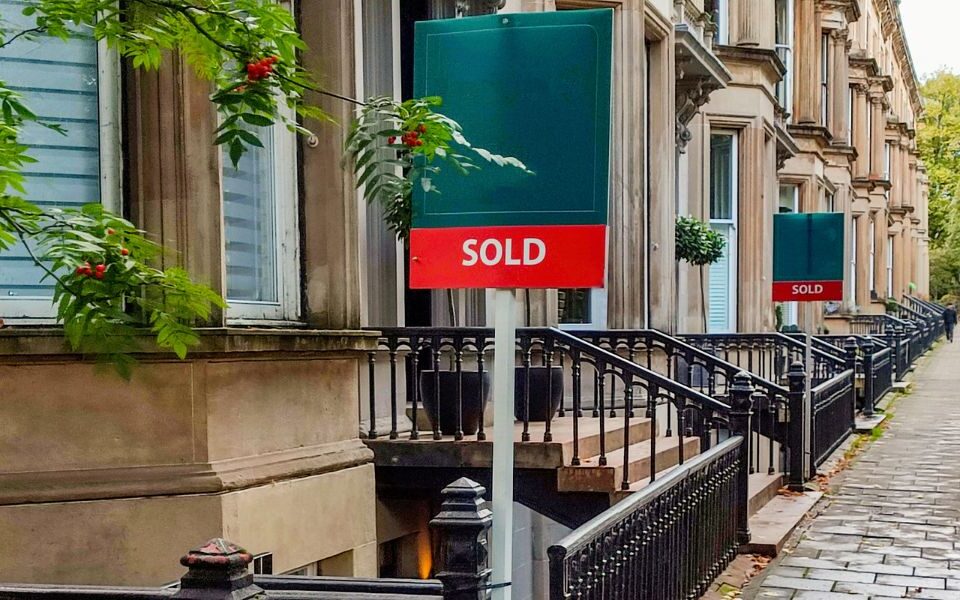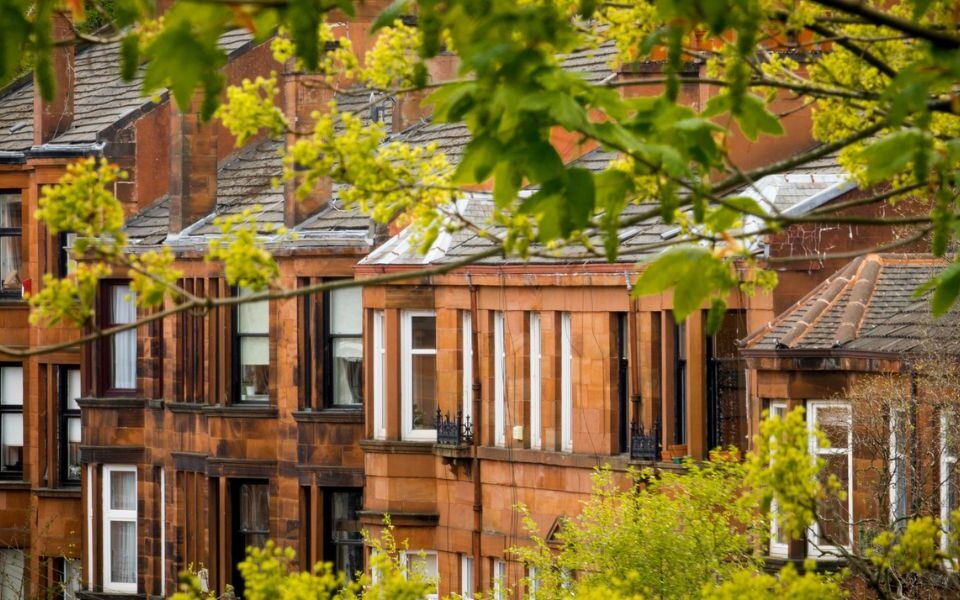
Eco-friendly living in flats does not require major renovation or dramatic lifestyle changes. In many Scottish buildings, especially traditional tenements and modern shared developments, small practical steps make a meaningful difference.
Because flats share walls, entrances and services, sustainability often relies on cooperation. For homeowners and landlords across Glasgow, Edinburgh and the wider Central Belt, improving efficiency protects both the environment and long-term property value.
Why Sustainability in Flats Requires a Shared Approach
Unlike detached homes, flats operate within shared structures. Communal lighting, entry systems and external fabric affect everyone in the building. As a result, eco-friendly living in flats depends partly on collective decisions.
For example, if communal lighting runs continuously with outdated bulbs, energy costs increase unnecessarily. However, when buildings adopt simple efficiency measures, overall consumption falls.
Shared responsibility also means that preventative maintenance plays a key role. Well maintained roofs, gutters and stonework reduce heat loss and prevent damp, which in turn improves energy efficiency.
Practical Steps Residents Can Take
Individual action still matters. Although communal areas play a part, residents can make improvements within their own flats.
Simple measures include:
- sealing draughts around doors and traditional sash windows
- using energy efficient appliances and LED bulbs
- managing heating controls carefully
- reducing water waste
- recycling responsibly in shared bin areas
These steps lower running costs while supporting eco-friendly living in flats without unnecessary expense.
The Role of Communal Areas in Efficiency
Communal spaces influence energy use more than many residents realise. Stairwell lighting, secure entry systems and shared heating components all contribute to overall consumption.
Upgrading to timed or sensor based lighting can reduce electricity use immediately. Likewise, ensuring communal doors close properly prevents heat loss in winter months. Regular inspection of drainage and roofing also prevents damp issues that undermine insulation.
When buildings remain well maintained, energy performance improves naturally.
How Structured Factoring Supports Sustainable Buildings
In shared developments, coordination makes the difference. A property factor can help organise energy efficient upgrades, schedule maintenance and communicate clearly with owners.
For example, structured management may involve:
- reviewing communal lighting efficiency
- coordinating contractor access for improvements
- ensuring external fabric remains weather tight
- managing shared decisions around upgrades
This practical approach supports eco-friendly living in flats without creating confusion between neighbours.
What Landlords Should Consider
Landlords benefit from energy efficiency as much as homeowners. Improved insulation, reliable heating systems and well maintained communal areas enhance tenant satisfaction and reduce long term maintenance costs.
In addition, attention to energy performance supports regulatory compliance and protects investment value.
A Practical and Balanced Approach
Eco-friendly living in flats works best when it remains practical. Small improvements, consistent maintenance and shared responsibility all contribute to better outcomes.
Across Scotland, flats and tenements form a large part of the housing stock. Protecting them through thoughtful upgrades and structured management benefits residents today and safeguards buildings for the future.
If you would like guidance on maintaining or improving efficiency in your building, we are here to help.
You can get in touch at www.homesbook.co.uk/contact for friendly and practical advice.