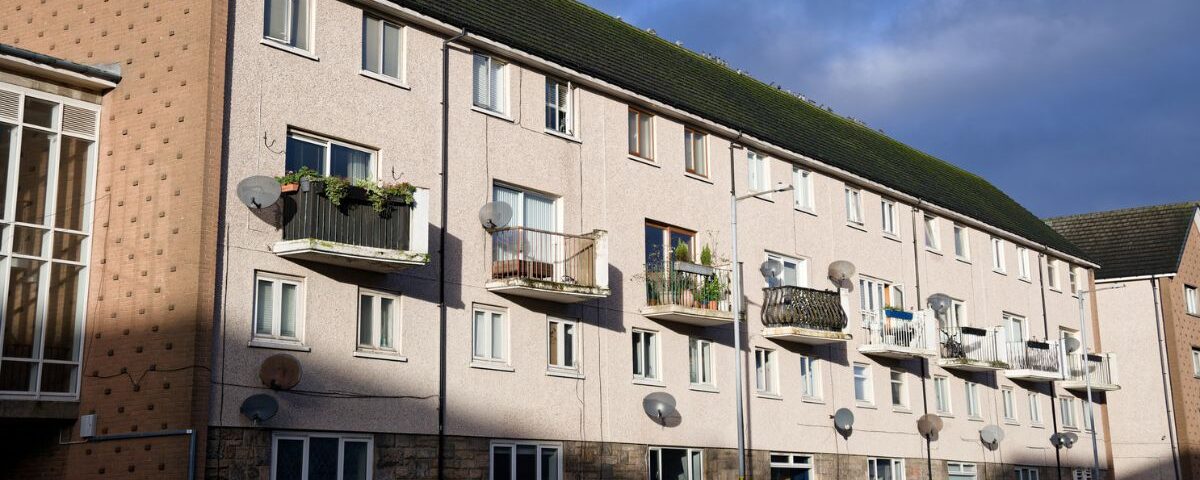
KFire safety in flats is a shared responsibility and one that plays an important role in protecting lives and homes. In Scotland, many people live in buildings where escape routes, stairwells, and safety systems are shared, which means one issue can affect many residents.
While fire safety can feel daunting, it does not need to be overwhelming. Understanding the basics helps homeowners and landlords take sensible steps to keep buildings safe and to know where responsibilities sit in shared properties.
Why Fire Safety Matters More in Flats
Flats differ from single-occupancy homes because residents often share entrances, stairwells and escape routes. As a result, a fire in one property can have consequences for others in the building.
Clear access routes, functioning alarms and well-maintained communal areas all play a part in helping residents evacuate safely if needed. Because people rely on shared spaces in an emergency, good fire safety practices benefit everyone.
Fire Safety Responsibilities in Scottish Flats
Fire safety responsibilities are usually split between individual flats and shared areas. Homeowners and landlords are responsible for safety within their own property, while communal areas are managed collectively.
This typically means:
- residents ensure alarms inside their flat work correctly
- landlords meet legal safety duties in rented properties
- shared escape routes and lighting are kept clear and maintained
Understanding this division helps avoid confusion and ensures issues are reported to the right place.
Common Fire Safety Risks in Flats
Certain risks appear more often in shared buildings and can compromise safety if left unaddressed.
Common examples include:
- blocked or cluttered escape routes
- faulty or missing smoke or heat alarms
- poorly lit stairwells or landings
- fire doors that do not close properly
- items stored in communal areas that restrict access
Each of these issues can slow evacuation and increase risk during an emergency. Reporting them early helps prevent problems from escalating.
What Homeowners and Landlords Can Do
Simple actions make a meaningful difference to flat fire safety. Regular checks inside the property and awareness of shared spaces both play a role.
Homeowners and landlords should:
- test alarms regularly and replace batteries when needed
- keep hallways and exits clear at all times
- report issues in shared areas as soon as they arise
- understand who to contact if a safety concern appears
Early action helps keep residents safe and reduces the chance of last-minute issues.
Fire Safety in Shared Buildings and the Role of a Property Factor
In shared buildings, fire safety works best when it is coordinated. A property factor supports this by arranging inspections of communal areas and ensuring shared responsibilities are managed consistently.
This may include checking lighting, ensuring escape routes remain clear and coordinating maintenance where required. Clear communication also helps residents understand what has been checked and what steps to take if concerns arise.
A proactive approach supports safety while giving residents confidence that issues are taken seriously.
A Calm and Practical Way Forward
Flat fire safety is about preparation rather than panic. By understanding responsibilities and addressing small issues early, residents can help create safer buildings for everyone.
If you have questions about fire safety in your building or want clarity on shared responsibilities, we are here to help.
You can get in touch at www.homesbook.co.uk/contact for friendly advice and guidance.